Garbage stations are places where municipal solid waste is collected, transferred and processed, which not only contains a large amount of organic and inorganic waste, but is also accompanied by the growth of stench and bacteria.
In garbage stations, ozone disinfection can be applied to the following aspects:
Garbage storage areas: In garbage storage areas, accumulation of garbage can create odors and bacteria. Ozone can be used to spray in these areas to break down malodorous gases and kill bacteria, reducing odors and the risk of disease transmission.
Garbage hauling vehicles: Garbage hauling vehicles can pick up bacteria and odors during the process of collecting and transporting waste. Using ozone water to clean the interior of your vehicle can effectively disinfect and remove odors.
Garbage disposal equipment: Garbage compactors and sorting equipment are susceptible to contamination when handling garbage. Regular use of ozone water to clean these equipment can maintain the hygiene of the equipment and extend its service life.
Staff locker rooms and break areas: These areas are areas where staff come into contact with them on a daily basis, and using ozone for air and surface disinfection can provide a healthier work environment.
Waste Recycling Area: In the waste recycling area, recyclable items can be contaminated with bacteria and viruses. Cleaning these items with ozonated water allows them to be disinfected before recycling.
Leachate treatment: Leachate in garbage contains harmful substances and bacteria. Ozone can be used in leachate treatment to decompose harmful substances and kill bacteria, reducing the impact on the environment.
Landfills: In landfills, the decomposition of waste produces harmful gases such as methane. Ozone can be used to control emissions of these gases and can also be used to disinfect landfill work areas.
Waste sorting and education centers: If garbage stations are equipped with waste sorting and education centers, ozone can be used to disinfect the air and surfaces in these areas to provide a clean learning environment.
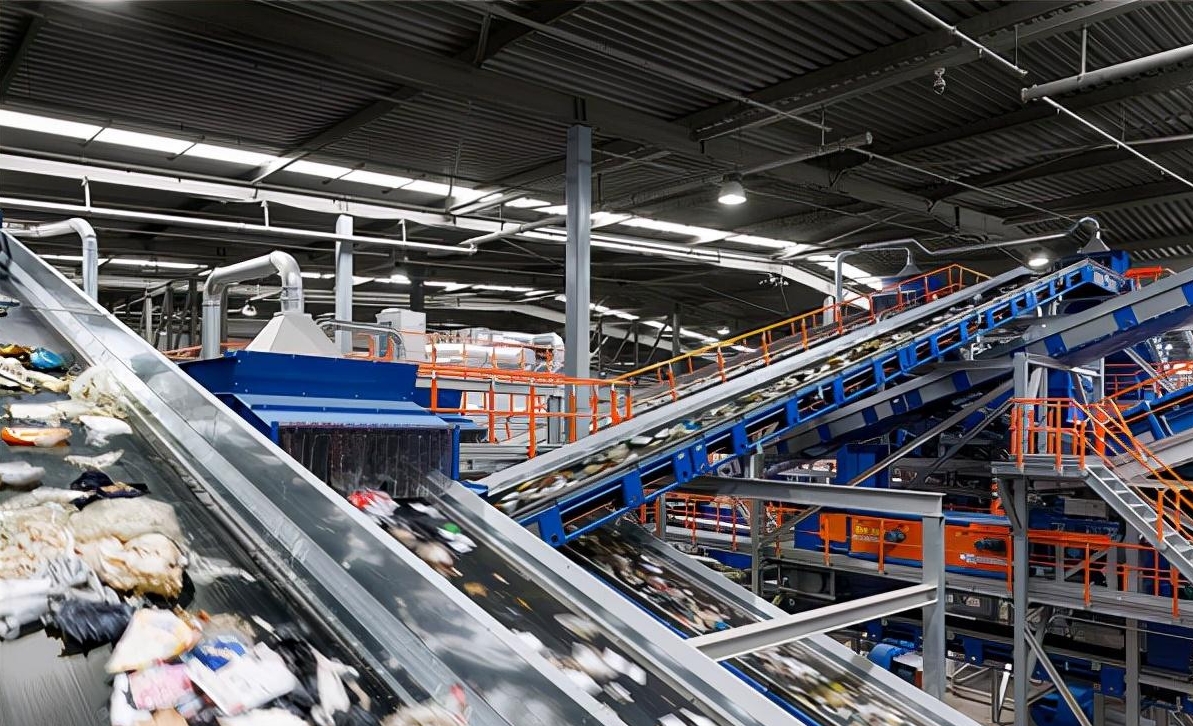
Application advantages of ozone in garbage stations
Efficient sterilization and disinfection: Ozone has strong oxidizing ability and can quickly kill bacteria, viruses and other microorganisms, effectively reducing the number of pathogens in the garbage station and reducing the risk of disease transmission.
Quickly remove odors: Ozone can decompose volatile organic compounds (VOCs) and odor molecules in the air, effectively purify the air in the garbage station, improve the working environment, and reduce the impact on surrounding residents.
No chemical residue: Ozone naturally decomposes into oxygen, leaving no harmful chemical residues on the garbage station or equipment, reducing potential harm to the environment and operators.
Easy to operate: Ozone equipment is generally easy to install and maintain, can be quickly integrated into existing garbage station management systems, and can achieve ozone disinfection without large-scale modifications.
Cost-Effectiveness: Over the long term, the use of ozone can reduce reliance on chemical disinfectants, thereby lowering operating costs. Ozone can also extend the life of equipment and reduce maintenance costs.
Wide applicability: Ozone can be used in multiple aspects of the garbage station, such as garbage storage areas, garbage transportation vehicles, garbage treatment equipment, staff locker rooms and rest areas, etc., to achieve all-round disinfection and odor control.


