The lingering presence of unpleasant odors in your home or car can be quite frustrating. Ozone generators are often touted as a solution, but the reality is a bit more nuanced. Let's explore the science behind ozone and its effectiveness in odor removal.
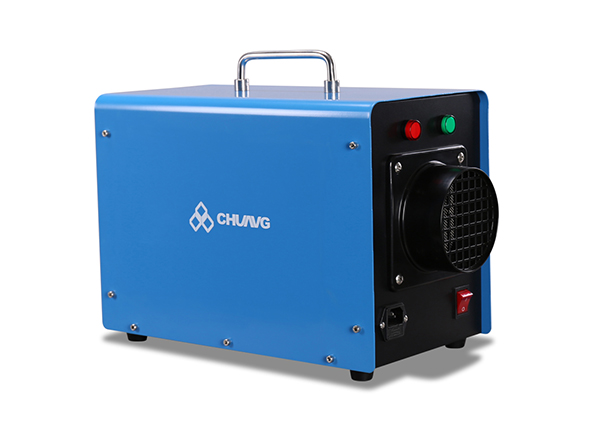
Understanding Ozone
Ozone (O3) is a gas composed of three oxygen atoms. It's a powerful oxidizer, meaning it readily reacts with other molecules. This property makes it useful for various applications, including water disinfection and air purification.
Ozone and Odor Removal: Fact vs. Fiction
While ozone can react with some odor-causing molecules, its effectiveness in odor elimination is a subject of debate. Here's a breakdown of the key points:
- Potential for Odor Reduction: Ozone can break down some odorous compounds, particularly those with simple structures. For example, it might help neutralize smoke or pet dander odors.
- Masking vs. Eliminating: In some cases, ozone may not truly eliminate the odor source. Instead, it might mask the unpleasant smells with its own distinct odor. This can provide temporary relief, but the underlying odor may return once the ozone dissipates.
- Limited Reach: Ozone is a gas, and its ability to penetrate porous materials like carpets or furniture where odors often reside can be limited.
Important Considerations
Here are some crucial factors to weigh before using an ozone generator for odor control:
- Safety Concerns: Ozone exposure at high concentrations can irritate lungs and cause respiratory problems. Always follow safety guidelines and operate the generator in unoccupied spaces.
- Material Damage: Ozone can damage certain materials like rubber and fabrics.
- Source of the Odor: Ozone is most effective against simple odors. If the odor originates from mold, mildew, or pet accidents, it might require additional cleaning or professional remediation.
Alternative Solutions for Lasting Odor Removal
For a more permanent odor elimination strategy, consider these approaches:
- Identify and Address the Source: Find the root cause of the odor and eliminate it. This might involve cleaning spills, removing mold growth, or replacing air filters.
- Ventilation: Increase airflow and circulation to remove lingering odors. Open windows and doors or use exhaust fans.
- Natural Odor Absorbers: Baking soda, vinegar, and activated charcoal are natural odor neutralizers that can be effective for mild odors.
- Air Purifiers with HEPA Filters: These capture airborne particles that can trap odor-causing molecules.
Conclusion
While ozone generators might offer some temporary odor relief, their effectiveness is limited. For a long-term solution, focus on identifying the source of the odor and explore alternative methods like ventilation, natural odor absorbers, and air purifiers. If you suspect heavy-duty odor issues like mold or mildew, consulting a professional remediation service is recommended.


