How to Use Ozone Generator In A House
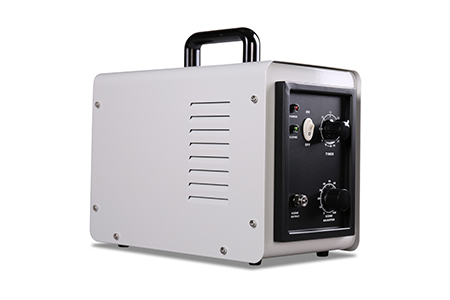
Introduction: In today's home living, air quality has become a topic of increasing concern. With the acceleration of urbanization and the growing issue of indoor air pollution, finding effective air purification solutions is more critical than ever. Ozone generators, as a high-tech air purification device, have gained popularity in many households due to their powerful disinfection and purification capabilities. This article will explore how to effectively use an ozone generator at home to enhance indoor air quality and protect the health of your family.
The Importance of Air Quality: Air quality directly affects our health and quality of life. Studies have shown that indoor air pollution can be more severe than outdoor pollution as it contains various harmful gases, viruses, bacteria, and allergens. Prolonged exposure to polluted air can lead to respiratory diseases, allergic reactions, and even more severe health issues. Therefore, improving indoor air quality is crucial for maintaining the health of family members.
The Role and Advantages of Ozone Generators: Ozone generators purify the air by producing ozone (O3). Ozone is a strong oxidant that can effectively break down harmful substances in the air, such as volatile organic compounds (VOCs), bacteria, viruses, and mold. Compared to traditional air filters, ozone generators not only remove particulate matter from the air but also neutralize odors and chemical gases, providing a more comprehensive improvement in air quality. Moreover, ozone generators do not produce any physical waste during operation, making them an environmentally friendly purification method.
The Science Behind Ozone Generators: Ozone is a molecule composed of three oxygen atoms, which is naturally formed in the upper atmosphere through the interaction of sunlight with oxygen. In the context of air purification, ozone generators artificially create ozone to combat indoor pollutants. Ozone is highly reactive and seeks to return to a stable state by combining with other molecules, breaking them down into simpler compounds. This process is particularly effective against biological contaminants and many chemical pollutants.
How Ozone Purifies the Air: When ozone is released into the air, it reacts with odor-causing compounds and airborne pollutants, converting them into carbon dioxide, water, and oxygen—substances that are harmless to humans and the environment. This oxidation process is what makes ozone generators an effective tool for air purification. They are particularly useful for eliminating smoke odors, pet odors, chemical fumes, and musty smells caused by mold or mildew.
Choosing the Right Ozone Generator: Types of Ozone Generators: There are several types of ozone generators available in the market, including corona discharge, ultraviolet (UV), and electrolytic. Each type has its own advantages and disadvantages, and the choice depends on the specific needs and preferences of the user. Corona discharge generators are the most common and affordable, producing ozone through a high-voltage electric field. UV generators use ultraviolet light to stimulate the production of ozone, while electrolytic generators produce ozone through the passage of an electric current through water.
Considerations: Room Size and Purpose: When selecting an ozone generator, consider the size of the room and the purpose for which it will be used. Larger rooms will require more powerful generators to effectively circulate andtreat the air. Additionally, if the ozone generator is intended to address specific issues such as mold or pet odors, there are models designed with these purposes in mind. It's also important to consider the generator's ozone output, which should be sufficient to cover the area without posing a risk to health or the environment.
Safe Use of Ozone Generators: Safe Thresholds for Ozone: While ozone is a powerful cleaning agent, it can be harmful to humans and animals in high concentrations. The World Health Organization (WHO) and the Environmental Protection Agency (EPA) have established safe exposure limits for ozone. It's crucial to ensure that the ozone generator you choose complies with these safety standards and that you use it according to the manufacturer's guidelines to avoid overexposure.
Measures to Avoid Excessive Ozone: To prevent excessive ozone levels, never operate an ozone generator while people or pets are in the room. It's recommended to use the generator when the space is unoccupied and then ventilate the area thoroughly before re-entry. Additionally, it's important to monitor ozone levels with a reliable ozone meter to ensure they remain within safe limits.
Setting Up and Operating Ozone Generators: Installation Steps: Setting up an ozone generator typically involves plugging it into an electrical outlet and placing it in the desired location. Some models may require more complex installation, such as being hardwired into the home's electrical system. Always follow the manufacturer's instructions for installation to ensure the device operates safely and effectively.
Operational Tips: When operating an ozone generator, it's important to close off the room to prevent the ozone from dispersing into other areas of the home. This allows the ozone to concentrate and effectively treat the air in the enclosed space. Additionally, ensure that all surfaces are clean before using the generator, as dirt and dust can interfere with the ozone's ability to purify the air.
Maintenance and Cleaning of Ozone Generators: The Importance of Regular Checks: Regular maintenance is essential to keep your ozone generator functioning at its best. This includes checking for any signs of wear or damage, ensuring that the power cord and connections are secure, and cleaning the device as needed. Regular checks can help prevent malfunctions and extend the life of the generator.
Cleaning and Maintenance Guidelines: To clean an ozone generator, unplug it from the power source and use a soft, damp cloth to wipe down the exterior. Avoid using harsh chemicals or abrasive materials, as these can damage the device. For internal cleaning, follow the manufacturer's guidelines, which may include the use of specific cleaning solutions or the need for professional servicing.
Practical Applications of Ozone Generators: Home Environment Improvement: Ozone generators can significantly improve the overall air quality in your home by reducing allergens, eliminating odors, and destroying airborne bacteria and viruses. This can be particularly beneficial for individuals with allergies, asthma, or other respiratory conditions, as well as for those looking to create a healthier living environment.
Pet Odor Control: One of the most common uses for ozone generators is controlling pet odors. Pets can bring in a variety of smells, from wet dog odor to litter box smells, which can be difficult to eliminate with traditional air fresheners. Ozone generators break down the molecules causing these odors, leaving your home smelling fresh and clean.
Frequently Asked Questions: Is an Ozone Generator Safe for Children and Pets? Ozone generators are safe for children and pets when used correctly. However, they should never be operated in a room where children or pets are present, as ozone can be harmful if inhaled in high concentrations. Always ensure the room is well-ventilated after use before allowing children or pets back in.
What Types of Pollutants Can Ozone Generators Eliminate? Ozone generators are effective at eliminating a wide range of pollutants, including bacteria, viruses, mold, VOCs, and odors. They are particularly useful for addressing biological contaminants and can be a valuable tool in maintaining a clean and healthy indoor environment.
Is Ventilation Needed When Using an Ozone Generator? Yes, ventilation is necessary after using an ozone generator. Ozone will naturally decay into oxygen after a period, but it's important to ensure that the room is well-ventilated to help dissipate any remaining ozone and to refresh the air.
Conclusion: Long-Term Benefits of Ozone Generators: Using an ozone generator can provide long-term benefits for your home's air quality. By regularly purifying the air, you can reduce the risk of respiratory illnesses, allergies, and other health issues related to poor indoor air quality. Additionally, a clean and fresh home environment can improve overall comfort


