Ozone is commonly used in water treatment for its strong disinfectant properties, primarily to eliminate bacteria, viruses, and other pathogens. The amount of ozone required for water treatment can vary depending on several factors, including the water's quality, the level of contamination, and the specific treatment objectives (e.g., disinfection, oxidation of contaminants).
Generally, ozone is used at concentrations ranging from 0.1 to 1.0 mg/L for disinfection in drinking water treatment. However, for more advanced oxidation processes (AOPs), higher concentrations may be needed. In some cases, ozone doses can reach up to 5 mg/L or more, particularly in wastewater treatment or for removing specific pollutants like pesticides or industrial chemicals.
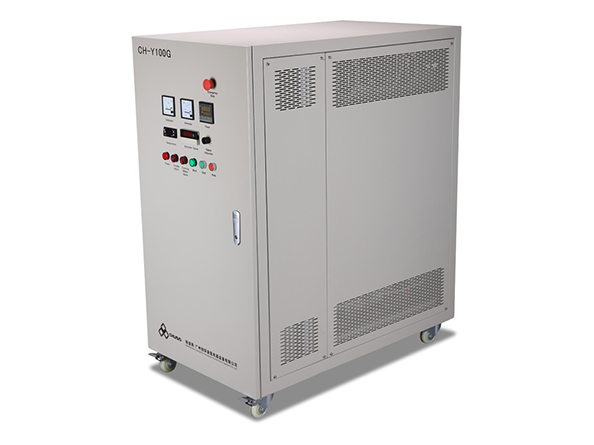
Ozone application typically involves:
- Disinfection: A concentration of 0.1–0.5 mg/L ozone can effectively kill pathogens in drinking water.
- Deodorization and Taste Removal: Low ozone doses can help in removing unpleasant odors and tastes.
- Advanced Oxidation: For breaking down complex organic compounds, a dose of 1–3 mg/L ozone might be required, especially in wastewater treatment.
- Oxidizing Contaminants: Some chemical contaminants (like iron, manganese, or hydrogen sulfide) can require ozone levels up to 3–5 mg/L for oxidation.
The exact ozone dose is carefully controlled because excessive ozone can lead to undesirable side effects, such as an increase in by-products like bromate, especially in water with high bromide levels.
1. Principle of Ozone Water Treatment
Ozone (O₃) is a highly reactive gas composed of three oxygen atoms. When introduced into water, it rapidly decomposes, producing hydroxyl radicals (OH•) and oxygen (O₂), which are powerful oxidants. These radicals are capable of breaking down a wide range of contaminants, including organic matter, bacteria, viruses, and even certain chemicals.
The primary actions of ozone in water treatment include:
- Disinfection: Killing or inactivating pathogens like bacteria, viruses, and protozoa.
- Oxidation: Breaking down organic contaminants and in some cases, transforming them into simpler, non-toxic substances.
- Deodorization: Removing unpleasant tastes and odors from the water.
- De-colorization: Breaking down colored compounds that could affect water appearance.
2. Ozone Application Methods
There are a few common methods for introducing ozone into water, each with its own set of advantages and limitations:
a. Ozone Contactors (Bubble Columns or Diffusers)
Ozone is introduced into water through a diffuser or bubble column, where the gas is bubbled through the water. This method allows ozone to dissolve into the water and react with contaminants. The contact time (the duration ozone remains in contact with the water) is crucial for effective treatment.
- Diffuser Systems: Ozone is generated on-site using an ozone generator and is injected into the water through fine or coarse diffusers.
- Bubble Columns: Water flows upward through a vertical column while ozone is injected at the bottom. This maximizes contact time and ozone dissolution efficiency.
These systems are often used for low-to-medium concentrations of ozone (e.g., 0.1–1 mg/L for disinfection).
b. Ozone Reactors
In some treatment plants, ozone is injected into a dedicated reactor that has an optimal design to allow maximum interaction between ozone and the contaminants. These reactors ensure longer contact times and better efficiency for more complex contaminants.
- Fixed-bed Reactors: Use materials like activated carbon or other surfaces where ozone can react with the contaminants.
- Cascade Reactors: Water flows over a series of trays or steps, providing increased ozone contact time.
These are typically used for higher ozone doses or advanced oxidation processes (AOPs).
c. Advanced Oxidation Process (AOP)
When ozone is combined with other oxidants, like hydrogen peroxide (H₂O₂), it forms hydroxyl radicals (OH•), which are even more reactive than ozone alone. This method is known as AOP and is particularly effective in breaking down tough organic pollutants, pharmaceuticals, pesticides, and industrial chemicals that might not be degraded by ozone alone.
In AOP, the combination of ozone and hydrogen peroxide generates a chain reaction that amplifies the oxidation process. The hydroxyl radicals (OH•) produced in this reaction are capable of attacking and breaking down a wide variety of organic contaminants, even those that are resistant to standard treatment methods.
3. Factors Influencing Ozone Dosage
The amount of ozone needed depends on several factors:
- Contaminant Type and Concentration: Ozone’s effectiveness depends on the nature and concentration of contaminants. For example, ozone is highly effective at killing pathogens but might require higher doses to oxidize organic chemicals.
- Water Characteristics: Water’s pH, temperature, and turbidity play a role in how efficiently ozone can be dissolved and react. Generally, ozone is more effective in slightly acidic to neutral pH ranges (pH 6-8).
- Contact Time: The longer ozone has to react with the water, the more contaminants it can oxidize. For disinfection, a short contact time (minutes) is often sufficient, but for advanced oxidation, longer times may be necessary.
- Bromide Levels: If the water contains bromide ions, there is a risk of forming harmful byproducts like bromate, especially at high ozone doses. This is why controlling ozone levels is important.
4. Challenges in Ozone Water Treatment
While ozone is highly effective, there are several challenges to using it in water treatment:
- Cost: Ozone treatment systems require on-site ozone generation, which can be expensive to set up and operate. The energy consumption for ozone generation is relatively high.
- Decomposition Rate: Ozone is unstable and decomposes quickly into oxygen, so the equipment needs to ensure that ozone is efficiently used before it decomposes.
- Byproducts: As mentioned, the formation of byproducts like bromate (when bromide is present) can be a concern. Careful monitoring and controlling of ozone dosages and water quality parameters are necessary to minimize such risks.
- System Maintenance: Ozone treatment systems require regular maintenance to ensure they are functioning optimally. Ozone generators and contactors must be maintained to avoid issues such as ozone leaks or inefficient mixing.
5. Applications of Ozone in Water Treatment
Ozone is used in a variety of water treatment applications:
a. Drinking Water Treatment
- Ozone is used to disinfect drinking water by killing harmful microorganisms without using chlorine, which can create disinfection byproducts (DBPs) like trihalomethanes (THMs).
- It’s especially useful in areas with high microbial contamination or water sources with complex organic contaminants.
b. Wastewater Treatment
- Ozone is often used in industrial and municipal wastewater treatment to remove organic pollutants, disinfect, and control odors.
- For advanced treatment, it can be combined with UV or hydrogen peroxide in AOPs to treat more persistent pollutants like pharmaceuticals, personal care products, and industrial chemicals.
c. Aquaculture and Swimming Pools
- Ozone is used in aquaculture systems to treat water and maintain a pathogen-free environment for fish.
- Similarly, many swimming pools use ozone systems for water sanitization as an alternative or supplement to chlorine.
d. Industrial Applications
- Ozone can be used for specific industrial applications such as treating process water in paper mills, food processing, and textile industries where the water contains contaminants like dyes, chemicals, or oils.
Conclusion
Ozone is an effective, environmentally-friendly solution for water treatment that is widely used for disinfection, oxidation, and improving water quality. The technology behind ozone generation and its application in water treatment is highly efficient but must be carefully managed due to its high reactivity and potential for forming harmful byproducts under certain conditions. Its use is expanding, especially with the increasing demand for cleaner, safer water sources, but understanding the proper dosage, system design, and operational parameters is key to achieving optimal treatment results.


