Wastewater treatment is a key link in environmental protection and sustainable development. Traditional sewage treatment methods often cannot effectively remove some refractory organic pollutants and pathogens. Ozone, as a strong oxidant, has been widely used in sewage treatment.
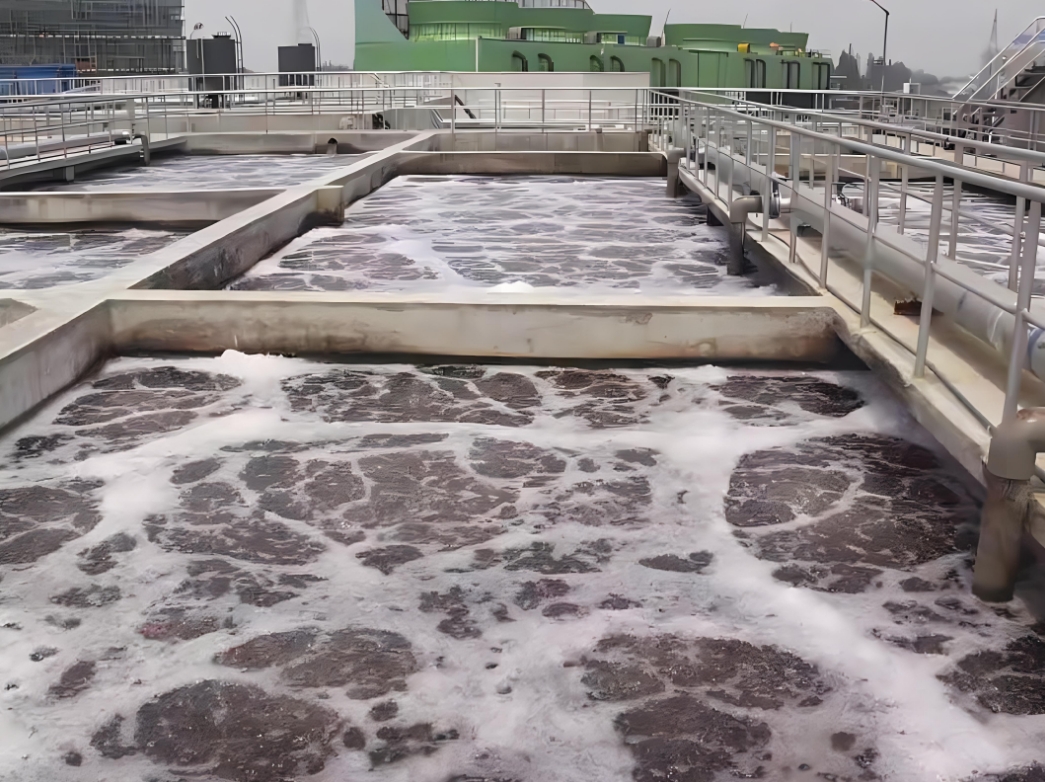
Introduction to sewage types
Food processing industry:Including slaughterhouses, meat processing, dairy processing, beverage production, etc.
Wastewater characteristics: containing high concentrations of organic matter, suspended solids, fats, nutrients, etc.
Textile industry:Including cotton spinning, wool spinning, silk spinning, chemical fiber production, etc.
Characteristics of wastewater: containing dyes, additives, surfactants, suspended solids, etc., with a darker color and higher biochemical oxygen demand (BOD) and chemical oxygen demand (COD).
Chemical industry:Including fertilizer, pharmaceuticals, plastics, paint, pesticide production, etc.
Characteristics of wastewater: It contains organic solvents, acids and bases, heavy metals, salts, etc., and may be corrosive, toxic, and difficult to degrade.
Metal processing industry:Including mechanical manufacturing, metal surface treatment, electroplating, etc.
Characteristics of wastewater: containing metal ions, acid-base, oil, suspended solids, etc., with high heavy metal content.
Paper industry:Including pulp and paper making processes.
Wastewater characteristics: containing lignin, starch, fillers, chemical residues, etc., with high BOD and COD content.
The principle of ozone treatment of sewage
The principle of ozone treatment of sewage is based on the strong oxidizing property of ozone. Ozone is a strong oxidant with a high oxidation potential and can oxidize and decompose harmful substances in sewage. The steps for ozone treatment of sewage usually include:
1. Pretreatment: remove suspended solids and large particles in sewage, such as sand filtration and activated carbon filtration.
2. Ozone contact: Ozone gas is injected into the sewage, where it comes into contact with harmful substances and causes oxidation reactions.
3. Oxidation reaction: Ozone reacts chemically with harmful substances, decomposing them into harmless substances such as carbon dioxide, water and chlorine compounds.
4. Sedimentation and filtration: The oxidized sewage undergoes sedimentation and filtration to remove remaining suspended matter and particulate matter.
5. Post-treatment: Further treatment, such as activated carbon filtration and disinfection, may be required to ensure that the wastewater meets discharge standards.
Advantages of ozone treatment of sewage
1. Efficiently remove harmful substances: Ozone can quickly decompose and oxidize harmful substances in sewage, with a high removal rate.
2. Remove refractory organic matter: Ozone can decompose and oxidize refractory organic pollutants and improve the biodegradability of sewage.
3. Remove pathogens: Ozone can kill pathogens such as bacteria, viruses and parasites in sewage, improving the safety of water quality.
4. Reduce chemical residues: Ozone naturally decomposes into oxygen and water, leaving no harmful chemical residues in sewage.
5. Environmentally friendly: The use of ozone reduces the need for traditional chemical treatment agents and reduces environmental pollution.
6. Ease of operation: Ozone equipment is generally easy to install and maintain and can be quickly integrated into existing sewage treatment systems.


