Air Disinfection | Sterilization
Increase Shelf Life
Reduce Spoilage
Dairy | Live Stock | Food
Sea Food | Aqua Culture
Ware house & cold storage can store live stocks & food products for short & long term storages. Warehouse & cold storage can easily maintain required temperature, humidity & cleanliness. But it is very difficult to maintain safety & hygiene. It is important to maintain micro trial count under control or else shelf life & quality gets significantly affected. Main challenge in warehouse & cold storage is to control mold, fungi’s, air bone bacteria & viruses.
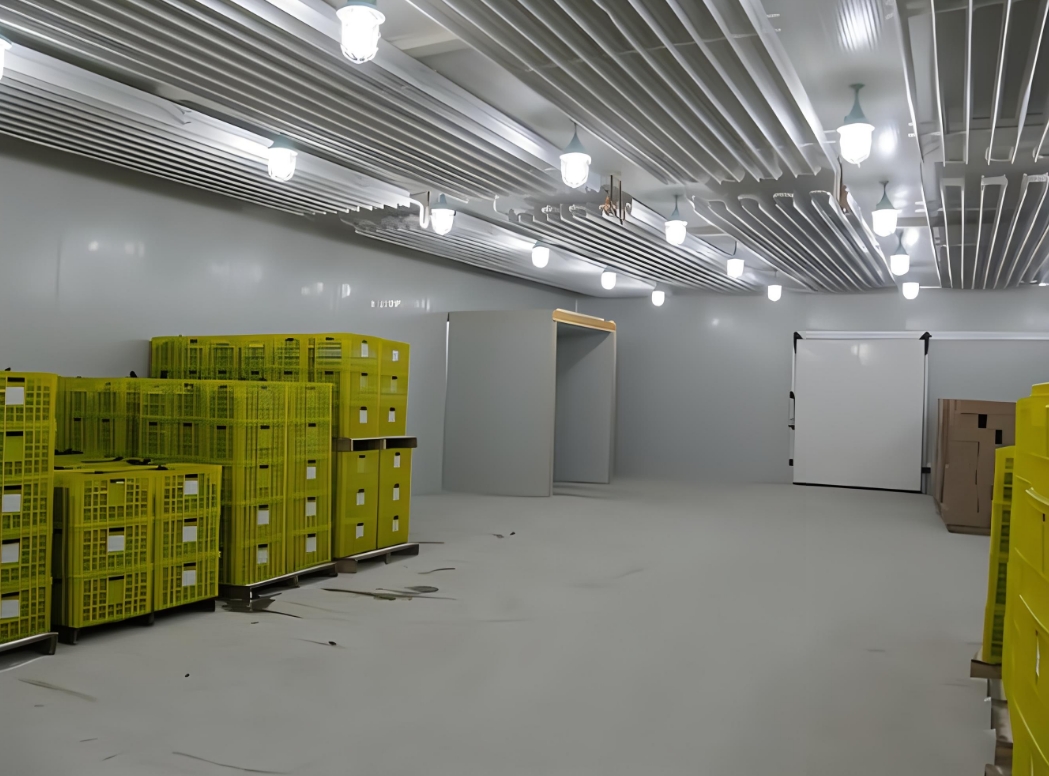
Uses of ozone:
Disinfection and sterilization: The strong oxidizing properties of ozone enable it to effectively kill bacteria, viruses and fungi, which is essential for maintaining the hygiene of food and other stored items in warehouse cold storage. Ozone can penetrate into the inside of food packaging to sterilize food without contact, reducing the risk of food spoilage and cross-contamination.
Removing odors: Ozone can decompose odor molecules in the air and help remove odors in cold storage. This is very useful for maintaining the original flavor of food and preventing cross-contamination of flavors between different foods.
Unlike ultraviolet light in which only air that comes in visible contact can be disinfected. Ozone being gas goes into each and every part of stored food grains & live stock. Ozone quickly surrounds the object & maintains very high degree of disinfection.
The application advantages of ozone in warehouse cold storage are mainly reflected in the following aspects:
Powerful disinfection capabilities: Ozone can effectively kill bacteria, viruses and fungi, including those that are resistant to traditional disinfectants, thereby providing higher hygiene and safety standards for stored food and other items.
No Chemical Residues: Ozone naturally decomposes into oxygen, leaving no harmful chemical residues in food or storage environments, which is critical to food safety and quality.
Environmentally friendly: As a naturally occurring oxidant, ozone has almost no impact on the environment during its use and decomposition process, meeting the requirements of green environmental protection.
Reduced Maintenance Costs: Over the long term, the use of ozone can reduce the need for chemical disinfectants, thereby reducing maintenance costs.


