In a world increasingly focused on sustainable and effective purification methods, ozone systems are emerging as a powerful solution across various industries and even in our homes. But what exactly is an ozone system? How does it work? And what makes it a compelling choice for air and water treatment?
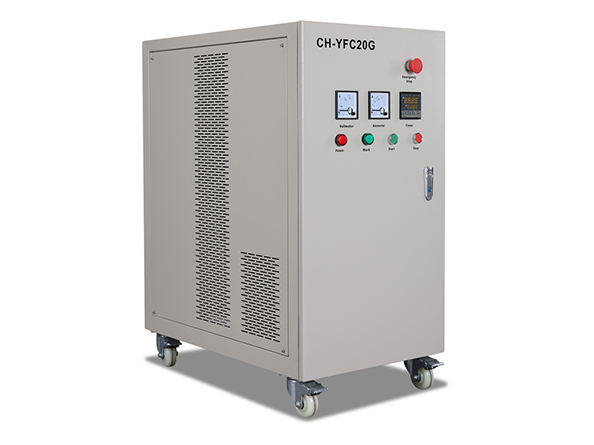
What is an Ozone System? The Basics Explained
At its core, an ozone system is a setup that generates ozone gas (O₃) and applies it to treat, purify, or disinfect air or water. Ozone is a naturally occurring molecule, an "activated" form of oxygen with three oxygen atoms instead of the usual two (O₂). You might recognize its fresh, distinct scent after a thunderstorm – that's ozone created by lightning!
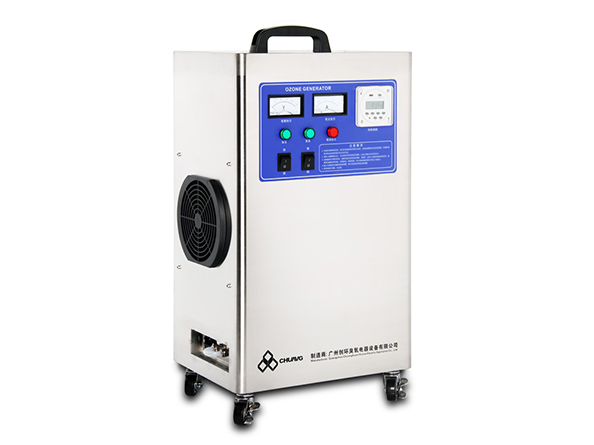
Ozone systems artificially replicate this natural process in a controlled manner. The key component is an ozone generator, which converts oxygen from the air or from a concentrated source into ozone. This ozone is then introduced into the targeted air or water stream.
Think of it like this: An ozone system is like having a miniature, on-demand lightning storm dedicated to cleaning your environment.
How Do Ozone Systems Work? The Science of Purification
Understanding how ozone systems work requires a peek into basic chemistry. Ozone is a potent oxidizing agent, meaning it readily reacts with other substances, altering their chemical structure.
There are two primary methods ozone generators use:
- Corona Discharge:This is the most common method, mimicking lightning. High voltage electricity is discharged across a dielectric barrier, splitting O₂ molecules into individual oxygen atoms. These atoms then combine with other O₂ molecules to form O₃ (ozone).
- Ultraviolet (UV) Radiation:This method uses UV light at a specific wavelength (typically 185nm) to split O₂ molecules, leading to the formation of O₃. This is similar to how the sun's UV rays create the ozone layer in the stratosphere.
Once ozone is generated and introduced into water or air, its powerful oxidizing properties get to work:
- Disinfection:Ozone ruptures the cell walls of bacteria, viruses, fungi, and protozoa, effectively killing them. It's significantly faster and more potent than chlorine.
- Oxidation of Contaminants:It breaks down organic and inorganic pollutants, including pesticides, heavy metals (like iron and manganese), VOCs (Volatile Organic Compounds), and odor-causing compounds.
- Reversion to Oxygen:After reacting, or if unused, ozone naturally decomposes back into regular oxygen (O₂), leaving no harmful chemical residues. This is a key advantage over many chemical treatments.
Key Benefits: Why Choose an Ozone System?
The unique properties of ozone translate into several compelling advantages:
- Superior Disinfection Power:Ozone is one of the most powerful commercially available disinfectants, effective against a broad spectrum of microorganisms.
- Chemical-Free Treatment:Reduces or eliminates the need for harsh chemicals like chlorine, leading to fewer disinfection byproducts (DBPs) which can be harmful.
- Effective Odor and Taste Removal:Excels at neutralizing unpleasant odors and tastes in water and air.
- Rapid Action:Works much faster than traditional disinfectants.
- Environmentally Friendly:Decomposes into harmless oxygen, making it a greener choice.
- Reduced Operational Costs (in some cases):While initial investment can be higher, savings on chemical costs and reduced maintenance can make it economical long-term.
- Improved Water Clarity & Air Quality:Noticeably enhances the aesthetic quality of water and air.
Common Applications: Where are Ozone Systems Used?
The versatility of ozone systems allows for a wide range of applications:
- Water Treatment
- Municipal Drinking Water:Used globally for primary disinfection and removal of contaminants.
- Wastewater Treatment:Breaks down pollutants, disinfects effluent, and reduces sludge volume.
- Swimming Pools & Spas:Provides crystal clear water with significantly reduced chlorine use, minimizing skin and eye irritation.
- Aquariums & Aquaculture:Improves water quality and clarity for aquatic life.
- Bottled Water & Beverage Production:Ensures product purity and extends shelf life.
- Cooling Towers:Controls microbial growth and scaling without persistent chemicals.
- Ultrapure Water Systems:Used in electronics and pharmaceutical manufacturing for the highest water purity.
- Air Treatment
- Odor Control:Highly effective in eliminating odors from smoke, pets, cooking, mold, and industrial processes.
- Mold & Mildew Remediation:Kills mold spores and prevents regrowth (often used by professional remediation services).
- Air Purification in Buildings:Used in HVAC systems or standalone units to improve indoor air quality by neutralizing allergens and pathogens.
- Food Storage:Extends the shelf life of fruits and vegetables by reducing airborne spoilage organisms.
- Industrial Emissions Control:Helps treat volatile organic compounds (VOCs) and other pollutants from industrial exhausts.
- Other Industrial & Specialized Uses
- Laundry Systems:Commercial and industrial laundries use ozone to reduce hot water usage, detergent, and bleach, while effectively sanitizing linens.
- Food Processing & Sanitation:Used for surface disinfection of food products, equipment, and packaging materials.
- Medical & Dental Applications:(Note: Medical ozone therapy is a specialized field and should only be administered by qualified professionals. This article focuses on environmental and industrial applications.) Ozone is used for sterilizing medical equipment.
- Agriculture:Soil and water treatment to control pests and pathogens.
Choosing the Right Ozone System: Key Considerations
Selecting an appropriate ozone system depends heavily on the specific application. Here are some factors to consider:
- Application Type:Is it for air or water? What volume needs to be treated? What are the target contaminants?
- Ozone Output Capacity:Measured in grams per hour (g/hr) or milligrams per hour (mg/hr). This needs to be matched to the demand of the application.
- Feed Gas:Systems can use ambient air (less efficient, produces less concentrated ozone, and can form nitric acid in humid conditions) or concentrated oxygen (more efficient, higher ozone concentration, purer output).
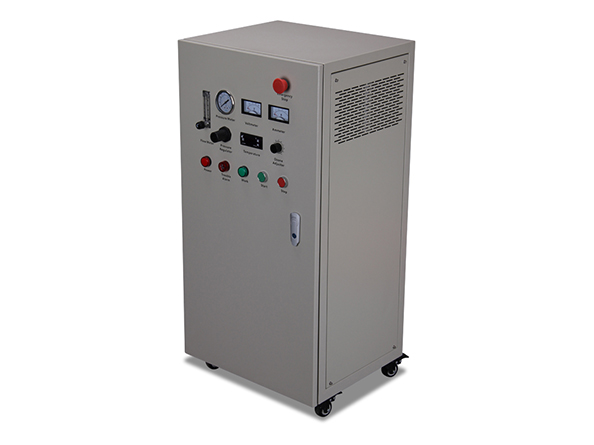
- Monitoring and Control:Sophisticated systems include ozone sensors and controllers to maintain precise ozone levels and ensure safety.
- Material Compatibility:Ozone is corrosive to some materials. Ensure all components in contact with ozonated water or air are ozone-resistant (e.g., stainless steel, Teflon, Kynar).
- Safety Features:Automatic shut-offs, ozone destruct units (to remove excess ozone), and ambient ozone monitors are crucial, especially for indoor applications.
- Installation and Maintenance:Consider the complexity of installation and ongoing maintenance requirements.
Safety and Environmental Considerations: Using Ozone Responsibly
While ozone is a powerful tool, it must be handled with respect. High concentrations of ozone gas can be harmful to the respiratory system.
- Ventilation:Crucial for indoor air applications to prevent ozone buildup.
- Occupancy:Air treatment with high ozone concentrations (shock treatments for mold/odor) should generally be done in unoccupied spaces.
- Professional Guidance:For larger or more complex systems, consulting with ozone technology specialists is highly recommended.
- Off-Gassing:In water treatment, ensure proper off-gassing systems are in place to remove undissolved ozone before the water is distributed or the air is vented.
- Regulatory Compliance:Be aware of local regulations regarding ozone use and exposure limits (e.g., OSHA guidelines).
The good news is that well-designed and properly operated ozone systems are safe and highly effective. The key is understanding the technology and its appropriate application.
The Future of Ozone Technology
Ozone technology continues to evolve. Innovations focus on:
- More energy-efficient ozone generation methods.
- Compact and cost-effective designs for smaller-scale applications.
- Advanced process control and automation for optimized performance and safety.
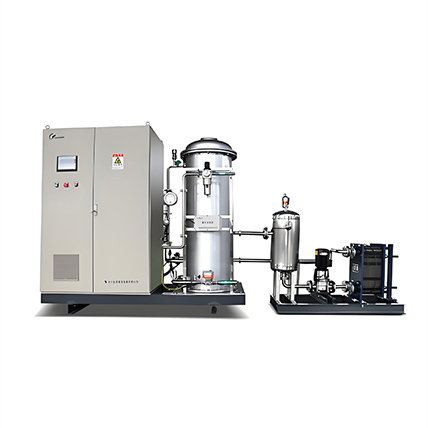
- Hybrid systems that combine ozone with other technologies (e.g., UV, Advanced Oxidation Processes) for enhanced contaminant removal.
As the demand for sustainable and chemical-free solutions grows, ozone systems are poised to play an even more significant role in environmental protection and public health.
Frequently Asked Questions (FAQs) About Ozone Systems
- Q1: Are ozone systems safe for home use?
- A: Yes, when designed for residential use and operated according to manufacturer instructions. Home air purifiers typically produce low, safe levels of ozone. For whole-house water systems or specific shock treatments, professional advice or adherence to safety guidelines is essential. Always prioritize models with safety certifications.
- Q2: Do ozone systems really eliminate odors, or just mask them?
- A: Ozone systems eliminate odors by oxidizing the chemical compounds that cause them. They don't just mask them.
- Q3: How long does ozone last?
- A: Ozone is an unstable molecule. Its half-life (the time it takes for half the ozone to revert to oxygen) varies with temperature, pH, and the presence of reactive substances. In water, it can range from seconds to minutes. In air, it's typically longer but still relatively short-lived.
- Q4: Can ozone systems replace all other purification methods?
- A: While highly effective, ozone is often used in conjunction with other technologies (like filtration) for comprehensive treatment. The best approach depends on the specific contaminants and application.
- Q5: Does an ozone system require a lot of maintenance?
- A: Maintenance varies by system type. Corona discharge units may require periodic cleaning of the electrodes. UV lamp systems require lamp replacement. Overall, many modern systems are designed for low maintenance.
Conclusion: Embracing the Power of Ozone
Ozone systems offer a potent, natural, and often more sustainable alternative to traditional chemical treatments for a vast array of purification and disinfection challenges. By understanding the science, benefits, and responsible application of this technology, we can harness its power to create cleaner, safer, and healthier environments.
Whether you're a homeowner exploring air or water purification options, a business owner seeking efficient industrial solutions, or simply curious about cutting-edge environmental technologies, ozone systems represent a compelling field with significant ongoing advancements.
Ready to explore how an ozone system could benefit you? Consider your specific needs, do your research on reputable providers, and don't hesitate to consult with experts to find the perfect solution.


