Ozone generators have sparked a lot of debate and confusion over the years. While they are used in various industries for their ability to purify air and eliminate odors, many misconceptions about their effectiveness and safety still persist. Let’s break down the top five common misconceptions surrounding ozone generators to help you understand them better.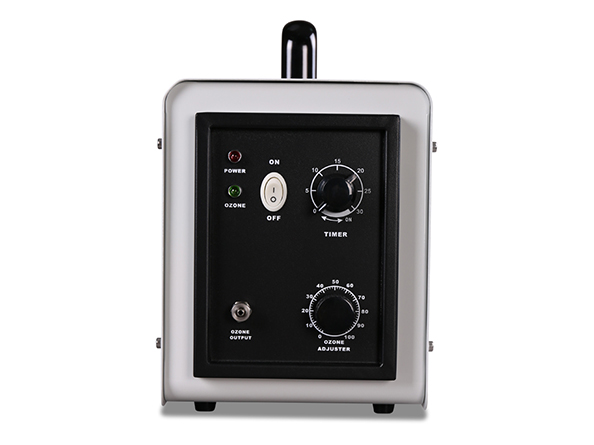
One of the biggest misconceptions about ozone generators is the belief that they are safe to use indoors at all times. While ozone can help eliminate odors and kill bacteria, prolonged exposure to ozone at high levels can be harmful to human health. The Environmental Protection Agency (EPA) has stated that ozone exposure can cause respiratory issues, throat irritation, and even worsen pre-existing lung conditions. Therefore, ozone generators should only be used in unoccupied spaces, and you should allow the area to ventilate before re-entering.
Ozone generators are often marketed as a magic solution to eliminate all odors, but this is not entirely accurate. Ozone can neutralize a variety of smells, including smoke, pet odors, and mold, but it isn’t effective for every type of odor. Some odors, such as those caused by certain chemicals or mold infestations, may not be effectively removed by ozone. It’s also important to note that ozone only neutralizes odors temporarily; once the ozone dissipates, the odor may return.
Another misconception is that ozone generators can replace regular cleaning and maintenance. While ozone can help with odor control and air purification, it is not a substitute for standard cleaning practices. For example, ozone won’t remove dirt, dust, or bacteria that may be on surfaces or in your home’s ventilation system. Ozone is best used in conjunction with regular cleaning routines for optimal air quality and cleanliness.
Not all ozone generators are created equal. There are varying models and types on the market, with some being more effective than others. The efficiency of an ozone generator depends on several factors, including the concentration of ozone it produces, the size of the space, and how long it operates. It’s important to choose an ozone generator that is suited to your specific needs. Some models may not produce sufficient ozone to handle certain tasks, such as large-scale odor removal, while others may be too powerful for small areas.
Many people believe that ozone generators are low-maintenance devices, but they require regular upkeep to function properly. For instance, filters, electrodes, and other parts may need to be cleaned or replaced over time. Failing to maintain your ozone generator can result in reduced performance or even complete malfunction. Regular maintenance ensures that the generator continues to operate safely and efficiently.
Ozone generators are useful tools for air purification and odor removal, but understanding their limitations and risks is essential. The key is to use them safely, follow the manufacturer’s guidelines, and avoid common misconceptions that may lead to improper usage. With the right knowledge, ozone generators can be a valuable addition to your home or business’s air quality management strategy.
Frequently Asked Questions
Is it safe to use an ozone generator while in the room? No, it’s recommended to only use an ozone generator in an unoccupied space. After the ozone generator has completed its cycle, allow the area to ventilate before re-entering.
Can ozone generators remove all types of odors? While ozone is effective at removing many types of odors, it may not eliminate all of them. For best results, use ozone generators in combination with regular cleaning.
How often should I clean or maintain my ozone generator? Regular cleaning and maintenance, such as replacing filters or electrodes, is essential to ensure the ozone generator continues to function optimally. Check the manufacturer’s instructions for specific maintenance schedules.
Are ozone generators safe for pets? Ozone generators should not be used around pets as ozone exposure can be harmful to them. Make sure the area is vacated and ventilated properly before allowing pets back inside.
Can ozone generators replace air purifiers? Ozone generators are not a direct substitute for air purifiers. While they can help eliminate odors and kill bacteria, air purifiers are better suited for removing dust, pollen, and other particles from the air.
If you’re considering an ozone generator, it’s important to weigh the pros and cons, ensuring it meets your specific needs while keeping safety in mind.


