Ozonation (Ozonation) and Reverse Osmosis (RO), analyzing how they work, their advantages and disadvantages, and the scenarios in which they are applicable. A table comparing the performance of the two technologies is presented to help users choose the most appropriate water treatment method for their needs, and it is suggested that they can be used in complementary ways in certain situations to achieve more comprehensive water purification goals.
Both ozonation and reverse osmosis (RO) are effective water treatment methods, but they serve different purposes and are suited for specific situations. Here's a breakdown to help you decide which might be better for your needs:
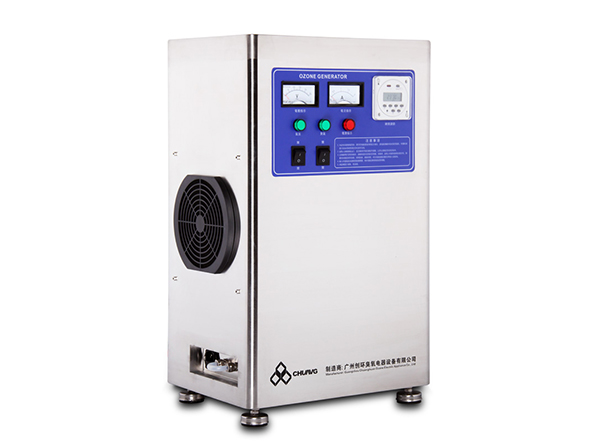
1. Ozonation
How It Works:
Ozonation involves using ozone (O₃) gas to disinfect water. Ozone is a powerful oxidizing agent that eliminates bacteria, viruses, and organic contaminants.
Advantages:
- Powerful Disinfection: Kills bacteria, viruses, and other pathogens effectively.
- No Chemical Residue: Ozone decomposes into oxygen, leaving no chemical byproducts in the water.
- Improves Taste and Odor: Removes unpleasant smells and tastes caused by organic compounds or sulfur.
- Environmentally Friendly: Does not produce harmful byproducts like chlorine.
Disadvantages:
- No Removal of Solids or Minerals: Ozonation does not remove dissolved salts, heavy metals, or other particulates.
- Complex Setup: Requires specialized equipment and regular maintenance.
- Cost: Higher initial and operational costs due to energy requirements.
Best For:
- Disinfection of water for drinking, swimming pools, or wastewater treatment.
- Scenarios where the focus is on killing pathogens and improving taste and odor.
2. Reverse Osmosis (RO)
How It Works:
RO forces water through a semi-permeable membrane, removing contaminants like salts, heavy metals, and impurities.
Advantages:
- Comprehensive Filtration: Removes up to 99% of dissolved solids, heavy metals, bacteria, and chemicals.
- Improves Taste: Eliminates impurities that can affect water flavor.
- Versatile: Suitable for treating brackish water, seawater, or highly contaminated sources.
Disadvantages:
- Wastes Water: Produces wastewater (typically 3-5 gallons for every 1 gallon of purified water).
- Energy Use: Requires energy for the water pressure needed to force water through the membrane.
- Removes Beneficial Minerals: Can strip water of essential minerals like calcium and magnesium.
- Maintenance Costs: Membranes and filters require periodic replacement.
Best For:
- Producing highly purified water for drinking, cooking, or industrial processes.
- Areas with high levels of dissolved solids, heavy metals, or chemical contamination.
Comparison Table
| Aspect |
Ozonation |
Reverse Osmosis |
| Primary Purpose |
Disinfection |
Comprehensive filtration |
| Removes Pathogens |
Yes |
Yes |
| Removes Dissolved Solids |
No |
Yes |
| Improves Taste/Odor |
Yes |
Yes |
| Energy Consumption |
Moderate |
High |
| Cost |
Higher initial, moderate upkeep |
Moderate initial, higher upkeep |
| Maintenance |
Regular equipment upkeep |
Filter/membrane replacement |
| Environmental Impact |
Minimal |
Wastewater production |
Which Is Better?
-
Choose ozonation if:
You need a disinfection-focused solution for relatively clean water and care about environmental sustainability.
-
Choose reverse osmosis if:
You need to remove dissolved solids, salts, or chemicals and require water of the highest purity.
In many cases, these technologies are complementary and can be used together for comprehensive water treatment. For example, ozonation can disinfect water before or after reverse osmosis filtration for added safety.


