According to the method of generating ozone, ozone generators can be mainly classified into three types: high-voltage discharge type, UV radiation type, and electrolysis type.
High-voltage discharge generators use a certain frequency of high voltage current to create a high-voltage electric spark electric field, which causes oxygen molecules in the electric field or in the surrounding air to undergo electrochemical reactions and produce ozone. This type of ozone generator has the advantages of mature technology, stable operation, long service life, large ozone output (up to 1Kg/h per machine), and is widely used in related industries at home and abroad. Among high-voltage discharge ozone generators, there are several types based on the high-voltage frequency of the generator:
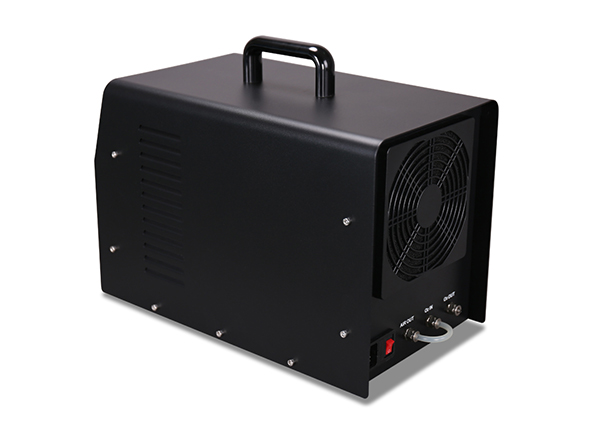
According to the high-voltage frequency of the generator, there are three types: power frequency (50-60Hz), medium frequency (400-1000Hz), and high frequency (>1000Hz). The power frequency generator has the disadvantages of large size and high power consumption, and has basically been withdrawn from the market. The medium and high frequency generators have the advantages of small size, low power consumption, and large ozone output, and are now one of the most commonly used products.
According to the gas feedstock used, there are two types: oxygen-based and air-based. Oxygen-based generators usually supply oxygen from oxygen bottles or oxygen making machines. Air-based generators usually use clean dry compressed air as the feedstock. Since ozone is generated by oxygen, but the content of oxygen in the air is only 21%, the ozone concentration generated by air-based generators is relatively low, while the purity of oxygen in bottled or oxygen-making machines is above 90%, so the ozone concentration of oxygen-based generators is higher.
According to the cooling method, there are water-cooled and air-cooled types. Ozone generators produce a lot of heat during operation and need to be cooled down, otherwise ozone will decompose while being produced. Water-cooled generators have good cooling effects, stable operation, no ozone decay, and can work continuously for long periods of time, but they are complex in structure and slightly more expensive. Air-cooled generators have poor cooling effects and obvious ozone decay. High-performance ozone generators that generally have stable performance are usually water-cooled. Air-cooled ones are generally used for low-output middle and low-end ozone generators. When selecting a generator, it is recommended to choose a water-cooled type.
According to the dielectric material used, there are several common types: quartz tube (a kind of glass), ceramic plate, ceramic tube, glass tube, and enamel tube. Generators using various dielectric materials are available in the market, and their performances vary. Glass dielectric materials have low cost and stable performance, but poor mechanical strength. Ceramic and glass are similar in nature but ceramic is not easy to process, especially in large-scale ozone generators. Enamel is a new type of dielectric material with integrated dielectric material and electrode, strong mechanical strength, fine processing accuracy, wide application in large-scale ozone generators, but with higher manufacturing costs.
According to the structure of the ozone generator, there are two types: dielectric barrier discharge (DBD) and open circuit.
According to the structure of the discharge chamber of the ozone generator, there are two types: tube type and plate type.
Powering on: The chemical equation for this reaction is 3O2 ==== 2O3.


