The main drawbacks of ozone generators lie in their potential health risks and usage limitations. High concentrations of ozone can irritate the respiratory tract and cause discomfort. Additionally, the strong oxidizing properties of ozone may corrode metals and rubber materials, potentially damaging electronic components and household items.
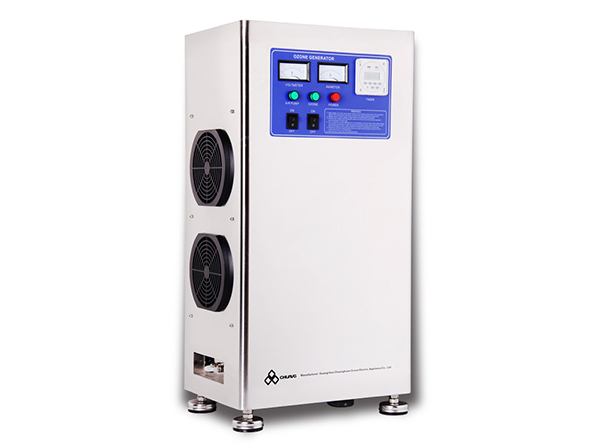
Ozone generators, while useful in certain applications like air purification, have several disadvantages. Here are some of the main concerns:
-
Health Risks:
- Ozone is a highly reactive gas, and exposure to high concentrations can cause respiratory problems, throat irritation, coughing, chest pain, and worsen asthma or other lung conditions. It can also damage the mucous membranes and respiratory system over time.
-
Ineffectiveness in Certain Environments:
- Ozone generators may not be effective in removing certain types of contaminants, such as volatile organic compounds (VOCs) or large particles like dust. Their effectiveness is often limited to specific odors or airborne bacteria and mold.
-
Degradation of Materials:
- Ozone can break down rubber, plastics, fabrics, and other materials over time, leading to wear and tear. This can damage items such as furniture, electronics, or even the generator itself if used excessively.
-
Inefficient at Low Concentrations:
- While ozone is effective at higher concentrations, it’s less effective at lower concentrations. In some cases, the levels required to eliminate certain odors or contaminants might not be safe for people to be around.
-
Environmental Impact:
- Ozone, when released into the environment in high concentrations, can contribute to air pollution. Ground-level ozone is a major component of smog, which has detrimental effects on the environment and public health.
-
Cost and Maintenance:
- Ozone generators can be expensive to purchase and maintain. Over time, the cost of replacing parts (like ozone plates) can add up, making it less cost-effective for long-term use.
-
Limited Use in Occupied Spaces:
- Since ozone can be harmful to health, ozone generators should not be used in spaces that are occupied by people, pets, or plants. This makes their use less practical for certain scenarios, like home environments.
These disadvantages should be carefully weighed against the intended use of the ozone generator, especially in spaces where people will be present.


