Ion generators and ozone generators are both common air purification devices, but their working principles and functions are different. Ion generators release negative ions to absorb pollutants such as dust and bacteria in the air to purify the air. Ozone generators use the principle of corona discharge to produce ozone. Ozone has strong oxidizing properties and can decompose harmful substances in the air to achieve the effect of disinfection and deodorization.
The difference between an ionizer and an ozone generator lies in how they work and the types of air purification they provide:
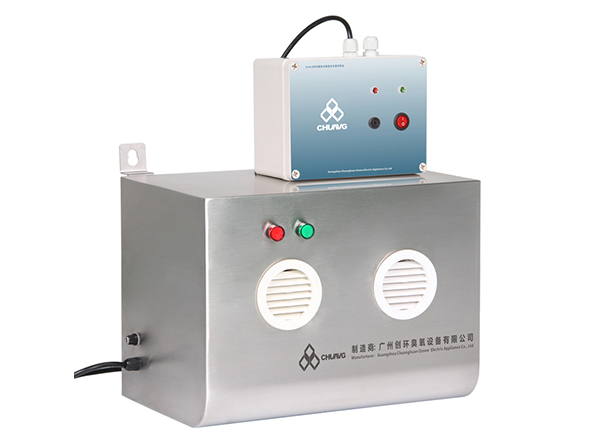
1. Ionizer:
- How It Works: Ionizers release negatively charged ions (anions) into the air. These ions attach to dust, pollen, smoke, and other airborne particles, causing them to become heavy and fall to the ground or attach to nearby surfaces, where they can be cleaned or wiped away.
- Effect on Air: Ionizers primarily work to reduce airborne particles like dust and allergens, improving air quality by making these particles easier to remove.
- Safety: Ionizers do not generate ozone as part of their function (unless they are poorly designed or malfunction). However, the ions they release do not produce harmful byproducts like ozone in significant amounts.
2. Ozone Generator:
- How It Works: Ozone generators intentionally produce ozone (O₃), a molecule made up of three oxygen atoms. These devices either use ultraviolet (UV) light or a corona discharge to create ozone, which is then released into the air.
- Effect on Air: Ozone generators are designed to break down odors, kill bacteria, mold, and viruses, and neutralize airborne contaminants by creating ozone, which reacts with pollutants. While ozone can eliminate contaminants, it also has the potential to be harmful to human health if inhaled at high concentrations.
- Safety: Ozone generators can pose health risks if used in occupied spaces. Ozone can irritate the respiratory system and is generally not recommended for long-term exposure. Many modern ozone generators are meant for unoccupied spaces or temporary use.
Key Differences:
- Function: Ionizers mainly target particulate matter (dust, allergens), while ozone generators are designed to neutralize odors and kill biological contaminants.
- Byproducts: Ionizers do not produce ozone in significant quantities (unless malfunctioning), but ozone generators intentionally produce ozone.
- Health Impact: Ionizers are considered safer for regular use in occupied spaces, whereas ozone generators should only be used in unoccupied areas due to the health risks associated with ozone exposure.
3. Ionizers in Different Environments:
Residential Use:
-
- Effectiveness: In homes, ionizers are commonly used to reduce airborne particles such as dust, pet dander, pollen, and smoke. They help improve air quality by causing these particles to clump together and fall out of the air, making it easier for you to clean them up.
- Benefits: Ionizers are often quieter and more energy-efficient than other air purifiers. They can also help with general freshness and are particularly helpful for people with allergies or respiratory issues (though they don’t remove gases or odors).
- Safety: Ionizers are generally safe for continuous use in occupied spaces, but it's important to periodically clean surfaces where particles might accumulate. Ionizers can sometimes create small amounts of ozone, but in most cases, the levels are minimal and not harmful. However, poorly designed ionizers may release higher levels of ozone, so it's best to choose a reputable product.
Commercial/Office Use:
-
- Effectiveness: In office spaces or commercial settings, ionizers can help remove dust and reduce airborne allergens. They are typically used in conjunction with regular cleaning practices to maintain a cleaner environment.
- Benefits: Ionizers can improve air quality in spaces that don’t require extensive odor or germ removal, and they help reduce the amount of airborne particles that can irritate employees.
- Safety: Since ionizers don’t produce harmful ozone in significant quantities, they are generally safe for continuous use in these environments, as long as maintenance is followed.
4. Ozone Generators in Different Environments:
Residential Use:
-
- Effectiveness: Ozone generators are effective at eliminating strong odors like those from smoke, pet odors, mold, and even some chemical fumes. They work by creating ozone, which breaks down the odor molecules and neutralizes them. They can also be used for killing bacteria and mold in certain situations.
- Benefits: Ozone generators are useful for "deep cleaning" odors or microbial growth in spaces like kitchens, bathrooms, and basements.
- Safety: Ozone can be harmful to humans, especially at high concentrations. It can irritate the lungs, throat, and eyes, and long-term exposure may exacerbate respiratory conditions like asthma. For this reason, ozone generators should only be used in unoccupied spaces, and you should allow the area to ventilate for at least 30 minutes to an hour after use before re-entering. They are not safefor continuous operation in a living space while people are present.
Commercial/Industrial Use:
-
- Effectiveness: Ozone generators are often used in commercial or industrial settings for odor control, sterilizing equipment, and eliminating bacteria and viruses. For example, they are used in cleaning and sanitizing hospitals, hotels, and even water treatment plants.
- Benefits: Ozone is a powerful disinfectant and can handle large spaces. It’s also effective at eliminating stubborn smells and airborne contaminants that would otherwise require chemical cleaners.
- Safety: Due to the potential health risks of ozone exposure, these generators are typically used in unoccupied spaces or during off-hours in industrial settings. Safety protocols require that no personnel are in the room during ozone treatment, and the area is well-ventilated afterward.
How to Use Ionizers and Ozone Generators Safely:
Ionizer Safety:
- Choose a Quality Product: Make sure the ionizer you choose is designed to minimize ozone production or has a certification indicating low ozone emissions.
- Maintain Cleanliness: Since ionizers cause dust to settle, it’s important to vacuum or wipe down surfaces frequently to remove the particles.
- Room Size: Ensure the ionizer is appropriate for the room size. Too small an ionizer for a large room may be ineffective.
- Avoid Overuse: While ionizers are generally safe, it’s still good practice to turn them off when you leave the room to avoid prolonged exposure to ionized air.
Ozone Generator Safety:
- Use in Unoccupied Spaces: Neverrun an ozone generator while people are in the room. Ozone can irritate the respiratory system, and prolonged exposure can lead to serious health problems.
- Ventilate After Use: After using an ozone generator, allow the room to ventilate for 30 minutes to an hour before re-entering. Open windows and doors to help clear the ozone from the space.
- Proper Timing: Use the ozone generator for the recommended amount of time—typically a few hours—and ensure it is in a controlled space.
- Follow Manufacturer’s Instructions: Always read the manual for specific instructions on safe use, including room size recommendations and how long to run the unit.
In Summary:
- Ionizersare better for long-term, ongoing air purification in occupied spaces. They are ideal for reducing dust, allergens, and other particles but should be used with regular cleaning to maintain effectiveness.
- Ozone Generatorsare more powerful in terms of eliminating odors and sterilizing spaces, but their use should be limited to unoccupied spaces due to the potential for harmful ozone exposure.


